

As the evenings draw in and the first curl of woodsmoke drifts through the air, there’s something deeply comforting about settling down with a good book. Autumn seems made for it; the soft lamplight, the mug of tea, the blanket that always ends up wrapped around your feet.
In a world that moves fast, where even reading can feel rushed, what if we treated books not as something to finish, but as something to savour? That’s where the practice of slow reading comes in: a mindful way to reconnect with stories, ideas, and ourselves.
What Is Slow Reading?
Slow reading is about reading with intention and presence, giving words the time they deserve. It’s less about how many books you read, and more about how deeply you experience them.
Read. Every. Word.
Instead of speed reading to get through a chapter, let the scene play out in your mind's eye and allow yourself to get lost in it.
When we slow down, we notice the rhythm of sentences, the scent of the paper, the sound of the rain outside. We let the story breathe.
In essence, slow reading is reading mindfully - not to consume, but to connect.

Why Slow Reading Matters for Mindfulness
We live in a world of constant scrolling, skimming, and multitasking. Reading offers a rare chance to step away from the noise, but only when we give ourselves permission to be truly present. Slow reading nurtures mindfulness:
-
It helps you stay present.
By focusing on each line, your attention anchors in the here and now, it becomes meditative. -
It deepens empathy.
When we take time to absorb a character’s thoughts or emotions, we experience the world through another perspective. -
It calms the nervous system.
The gentle rhythm of slow reading; turning pages, steady pace - signals to our body that it’s safe to rest. -
It sparks creativity and reflection.
When we’re not rushing to the end, our mind has space to wander, imagine, and make personal connections.
How to Practice Slow Reading
You don’t need to set aside hours to begin slow reading. All it takes is intention, a little ritual, and a willingness to let go of 'shoulds.'
1. Create a Reading Ritual
Find a time of day that feels natural.
Perhaps with your morning tea, to ease you into the day - rather than starting the day in frenetic, anxious, state of mind from the morning rush, or depressing breakfast news.
There is mounting evidence that we need to be away from blue light sources (screens) at least 30 minutes before sleep, reading in bed slows you down ready for rest, and keeps you off your phone!
Wrap up in a blanket, read by lamplight, or play soft instrumental music. The ritual signals to your mind that it’s time to slow down.
2. Choose Books That Invite You to Pause
Not every book lends itself to slow reading. Choose titles that you want to linger in, books that evoke imagery, emotion, or introspection.
See our autumn reading list below! And find theses titles and more on Pinterest.
3. Set the Scene for Comfort
Autumn is the perfect season for slow reading: dim light, steaming mugs, and the patter of rain on the window. Make it cosy. Your environment helps quiet the mind.
4. Engage All Your Senses
Notice the texture of the paper, the scent of your drink, the sound of the page turning. Bring your body into the moment as you read.
5. Pause Often
When a passage resonates, stop and reflect. How does it make you feel? What memories or thoughts arise? You might jot them down in a journal (the perfect companion to slow reading).
6. Let Go of Pressure
There’s no finish line here. Whether you read two pages or twenty, the point is to experience the book, not complete it.
📖 Cosy Autumn Book Recommendations
To help you begin your slow reading journey, here are a few books that pair beautifully with the season — rich in imagery, emotion, and atmosphere.
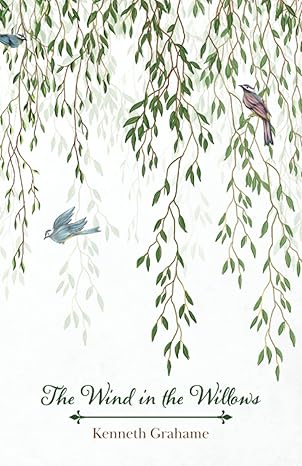
🍂 The Wind in the Willows by Kenneth Grahame
A gentle classic celebrating friendship, home, and the beauty of nature. Perfect for curling up with on a grey afternoon.
🕯️ The Comfort Book by Matt Haig
A modern meditation on kindness, presence, and hope — best read slowly, one comforting page at a time.
🍁 Braiding Sweetgrass by Robin Wall Kimmerer
Part memoir, part nature writing, this book reminds us how interconnected we are with the earth. Its lyrical pace rewards thoughtful, unhurried reading.

☕ A Year in Provence by Peter Mayle
A sensory delight full of gentle humour and simple pleasures — ideal for escaping into slower rhythms.

The Bronze Box by Amy C Fitzjohn
A shameless plug for the first book in the Sheridan and Blake mystery adventure series that I published over 10 years ago.

✍️ Pair Slow Reading with Journaling
If you’d like to take your slow reading practice even deeper, pair it with journaling. After you read, take a few moments to note down:
-
A line that stayed with you
-
A feeling the book evoked
-
A question or reflection that surfaced
This mindful journaling helps you carry the calm, insight, and creativity from your reading time into the rest of your day.
🌙 Finding Calm in the Pages
Slow reading isn’t a new skill to learn, it’s a remembering. A way of returning to the simple joy of turning pages, following thoughts, and resting in quiet company with words.
So as autumn deepens and the nights draw close, make space for stillness. Brew something warm, find your softest corner, and open a book not to finish it but to feel it.
✨ Because when we slow down, we don’t just read differently, we live differently too.