

There are few questions more tiresome at the end of a long day than the familiar, almost dreaded: “What’s for dinner?” For many of us, the sheer mental load of planning meals, shopping, and cooking amidst the rush of everyday life can feel overwhelming. Yet the answer doesn’t have to come from rushed takeaways or uninspired snacks. By approaching meal preparation through the lens of slow living, we can reimagine not only what we eat but how we nourish ourselves.
Slow living is about more than slowing down—it’s about aligning our daily choices with values of mindfulness, presence, and intentionality. When applied to food, this philosophy invites us to strip away unnecessary stress and rediscover the joy of nourishing ourselves simply. With gentle rhythms, thoughtful planning, and a touch of creativity, meal prep becomes less about rigid systems and more about cultivating ease.
This blog explores how to bring slow living into the kitchen through meal prep ideas designed to simplify weekdays, restore balance, and offer true nourishment. Whether you’re completely new to meal planning or weary from years of rushing through meals, these ideas are here to inspire a softer, gentler approach to the everyday act of eating.
And for more ideas and some quick and simple recipes, I've started this 'Gentle Weekday Meal Prep' Pinterest board.
Rethinking Meal Prep the Slow Living Way
From Rigid Systems to Gentle Rhythms
Traditional meal prep often conjures images of hours spent on Sundays portioning meals into identical plastic containers. While efficient, this approach can feel industrial and joyless. The slow living alternative is less about uniformity and more about rhythm. Instead of prepping everything at once, it’s about weaving small, intentional food rituals into your week—so that meals feel fresh and flexible while still relieving decision fatigue.
The Philosophy Behind the Plate
Slow living encourages us to see food not as fuel alone but as connection. Cooking becomes an act of grounding, a way to anchor ourselves in the moment. A pot simmering on the stove, the rhythm of chopping vegetables, or the aroma of herbs can turn an ordinary weeknight into a sensory experience. When we prepare ahead gently—without overcomplicating or forcing—it frees us from stress while still leaving room for creativity.
Inspiration from One-Pot Recipe Books
I've favoured one pot meals on the 'Gentle Weekday Meal Prep' Pinterest board.
For those new to slow living meal prep, one-pot recipes can be a wonderful starting point.
There’s something deeply comforting about placing ingredients together in a single pot and allowing time and gentle heat to transform them into something nourishing. If you’d like guidance, there are several beautifully written cookbooks that celebrate this simplicity.
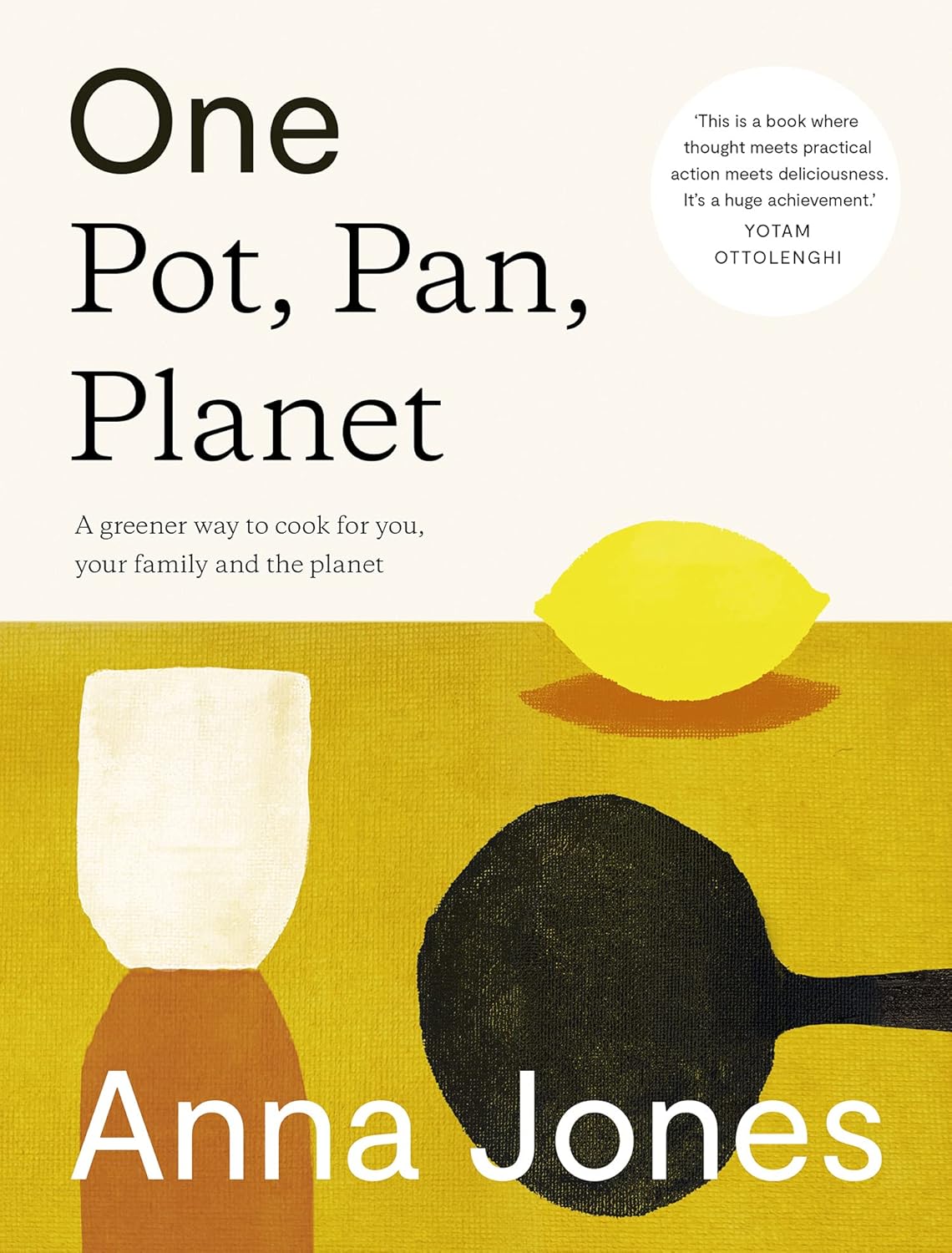
One Pot, Pan, Planet by Anna Jones focuses on fresh, seasonal, and sustainable meals with minimal washing up.
Rukmini Iyer’s The Roasting Tin series shows how entire meals can come together in one tray with little effort.

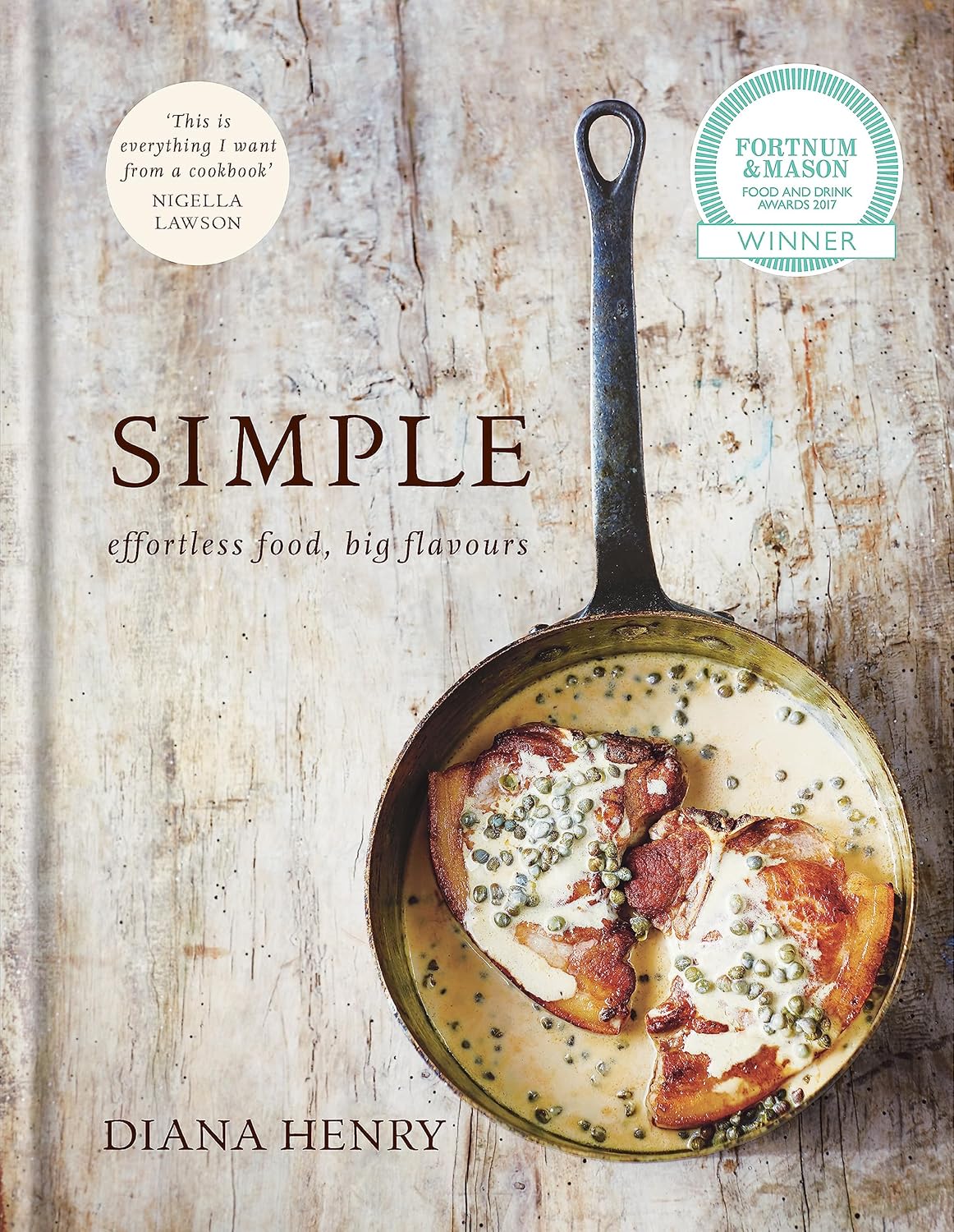
For those drawn to the rustic, homely side of cooking, Diana Henry’s Simple offers deeply flavourful yet unfussy dishes that often rely on one pan.
These books not only provide practical recipes but also align with the spirit of slow living—reminding us that good food need not be complicated.
Building a Gentle Foundation for the Week
Seasonal Simplicity
The first step to slow meal prep begins not in the kitchen but at the market, garden, or local shop. Choosing seasonal ingredients simplifies decisions, supports sustainability, and brings more flavour to everyday dishes.
In autumn, it may be pumpkins, root vegetables, and apples; in spring, tender greens and asparagus. By narrowing choices to what is in season, you naturally avoid overwhelm and ensure variety without overthinking.
A Pantry That Supports You
Slow living meal prep is greatly eased by a well-loved pantry. This doesn’t mean stockpiling or overfilling shelves but keeping a thoughtful selection of staples—grains, beans, lentils, spices, oils, and vinegars—that can combine with fresh produce to create endless meals. When the pantry is abundant in the right way, weekday cooking feels like play rather than problem-solving.
Preparing Foundations Instead of Full Meals
For beginners especially, it helps to shift focus from cooking complete dishes in advance to simply preparing building blocks. Cooking a batch of grains, roasting a tray of vegetables, or soaking beans offers flexibility while still lightening the load. These foundations can then be recombined in multiple ways during the week—transforming into soups, bowls, salads, or wraps with very little effort.
The Joy of Weekend Preparation
Sunday as a Gentle Ritual
Instead of treating weekend prep as a chore, slow living reframes it as a ritual of care. Light a candle, put on music, and see it as time to ground yourself for the week ahead. The act of washing, chopping, and storing vegetables becomes meditative when approached slowly. It’s not about rushing through a checklist, but about creating a supportive rhythm that future-you will be grateful for.
Cooking in Big Batches Without Losing Variety
Cooking one or two larger items—like a hearty soup, a loaf of bread, or a pot of grains—provides a base that can be enjoyed across several days without boredom. A lentil stew can become dinner one night, then transform into a filling for wraps or a side dish later in the week. A roast chicken (or a plant-based alternative like roasted squash) can evolve into salads, sandwiches, or broth. Variety grows not from endless recipes but from seeing possibilities in what you already have.
Preparing Ingredients with Care
Meal prep doesn’t always mean cooking. Washing greens and storing them in jars of cold water, chopping onions or carrots in advance, or marinating tofu or beans can all be done ahead of time. These small acts make weeknight cooking faster without locking you into rigid plans. The emphasis is on creating ease, not control.
Gentle Meal Prep Ideas for Beginners
Slow Breakfast Foundations
Mornings often set the tone for the day, and having simple breakfast elements prepared can bring calm to even the busiest start.
Overnight oats, jars of homemade granola, or hard-boiled eggs kept in the fridge are quiet helpers. If mornings feel particularly rushed, preparing a smoothie pack of chopped fruit and greens in the freezer makes blending quick and effortless. The goal is to create a gentle welcome into the day, not another hurried routine.

Midday Nourishment Without Stress
For lunches, prepping versatile components is key. A pot of quinoa or rice, roasted seasonal vegetables, and a jar of homemade dressing can be mixed and matched throughout the week. Adding a protein—like beans, lentils, or simple boiled eggs—creates balance without fuss. Rather than eating the same salad every day, these elements can shift according to mood, becoming grain bowls, wraps, or soups depending on what feels right in the moment.
Evenings Made Softer
Dinner is often the meal where decision fatigue weighs heaviest.
To avoid the nightly question of “what’s for dinner?” slow living meal prep suggests preparing two or three evening options at the start of the week that can be reimagined.
For instance, roasted root vegetables can star in a traybake, then later be tossed into a curry or blended into a soup.
A tomato sauce can become pasta one night and shakshuka the next. By choosing flexible bases, you create space for variety without the pressure of daily invention.
Infusing Creativity into Prepared Meals
Seasonal Flavour Enhancers
One of the easiest ways to keep prepped meals from feeling repetitive is to make flavour enhancers ahead of time. A jar of homemade pesto, a pot of spiced hummus, or a bottle of infused oil can turn the simplest grain-and-veg bowl into something special.
Preparing these small extras takes little effort but adds joy and depth to weekday meals.
Playing with Texture and Colour
Part of the slow living philosophy is appreciating beauty in the everyday. Meals can reflect this by paying attention to colour and texture. A sprinkle of seeds, a scattering of fresh herbs, or a slice of citrus not only adds nutrition but also elevates the meal into an experience. This approach shifts eating from a task into an act of creativity.
Leftovers as Invitations
Instead of seeing leftovers as uninspiring, reframe them as invitations.
Yesterday’s roast vegetables can become tomorrow’s soup. A half-jar of chickpeas might evolve into a salad topping or a dip.
Viewing food as adaptable reduces waste and opens creativity. Leftovers become building blocks, not burdens.
Making Space for Rest in the Kitchen
Cooking as a Daily Pause
When meal prep has laid the groundwork, weekday cooking can be less about stress and more about pause. Stirring a pot of soup, preparing a simple salad, or warming leftovers becomes an opportunity to slow down and reset. Even the smallest acts—washing herbs, grating cheese, or lighting a candle before a meal—remind us that cooking is not just functional, it is nourishing for both body and soul.
Creating a Restful Eating Space
The slow living approach extends beyond the kitchen to the table itself.
Eating in a calm, uncluttered space—even if it’s just one corner of the kitchen—helps meals feel restorative.
A simple linen napkin, a vase of seasonal flowers, or the glow of a candle signals to the body that it is time to rest and receive nourishment.
When meals are given space, they become more than fuel; they become ritual.
Returning to Simplicity
Letting Go of Perfection
One of the most freeing aspects of slow living meal prep is the rejection of perfection.
There is no need for Instagram-worthy containers or elaborate weekly menus. Instead, the focus is on gentleness and intention. Some weeks may be more structured, others less so. The beauty of this approach is that it adapts to your life, rather than forcing your life to adapt to it.
Gratitude for Everyday Nourishment
At its heart, slow living encourages gratitude.
Each meal—no matter how simple—becomes an opportunity to appreciate the farmers who grew the food, the earth that nourished it, and the body it sustains.
A bowl of soup or a slice of homemade bread becomes more than sustenance; it becomes connection. By slowing down to notice, food regains its rightful place as a source of joy.

Closing Thoughts: Gentle Weekdays Made Possible
Meal prep in the slow living tradition is not about rigid schedules or endless hours in the kitchen. It is about weaving ease into the week, gently supporting ourselves so that nourishment feels natural rather than burdensome. By preparing small foundations, embracing seasonal simplicity, and finding joy in everyday rituals, we create space for gentler weekdays—where meals are not another stressor but a reminder of the beauty of living slowly.
Whether you are a beginner just stepping into meal prep or someone longing for more mindful rhythms, these ideas offer a softer way forward. Let go of the overwhelm, release the constant question of what’s for dinner, and allow your kitchen to become a place of grounding, creativity, and care.